Monday, May 25, 2015

Sunday, May 24, 2015
5 Reasons Why 'The Perks of Being a Wallflower' is a Must Read for the Teenagers of Today

- The Perks of Being a Wallflower gives you examples what not to do in high school
2. The Perks of Being a Wallflower gives out good book recommendations for readers
This book could potentially get you reading other books. The Perks of Being a Wallflower has numerous references to other classics such as Catcher in the Rye, To Kill a Mockingbird, The Great Gatsby, Hamlet, Peter Pan and many others. If your stuck on what to read after this book, Perks has already got you covered!
3. The Perks of Being a Wallflower will teach you many valuable life lessons
Now if you're like me, you enjoy books that make you question yourself and make you stop to think about life. Worry not fellow philosophes, this is one of those books. There are many topics this book that cover the realms of love, life and the nature of the world in general. So, if you like pondering about why the world is as it is or why people are the way they are, you'll love this book.
4. The Perks of Being a Wallflower has realistic and relatable characters
The characters in Perks are well written and life like. They are well developed and are not the same clichéd stereotypes we see being reused in literature again and again. Charlie, Sam and Patrick feel real and raw when you read their story. Each character is relatable in some way and I bet you'll find at least one character you can latch on to and root for.
5. The Perks of Being a Wallflower is simply a great book
You should read The Perks of Being a Wallflower because it's a good book, plain and simple. It's a joy to read about Charlie's life and to watch him learn about the world and grow as a person through his experiences. Perks has become a modern classic over the years and has well withstood criticism since 1999. It'd almost be a sin not to pick it up. So why not give it a try?
Thursday, May 21, 2015
My Reading Wishlist
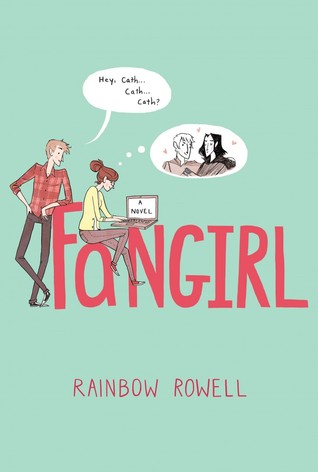
1. Fangirl by: Rainbow Rowell
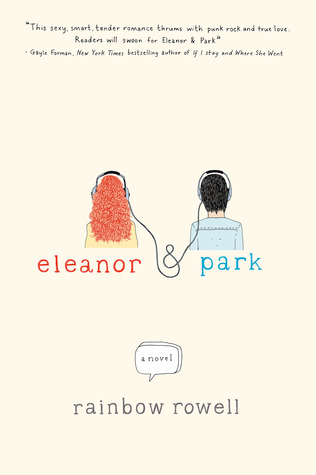
2. Eleanor and Park by: Rainbow Rowell
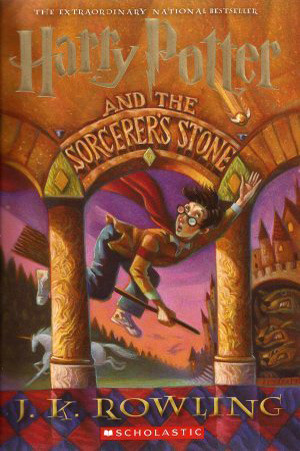
3. Harry Potter and the Sorcerer's Stone by: J.K. Rowling
4. Divergent by: Veronica Roth

5. Paper Towns by: John Green
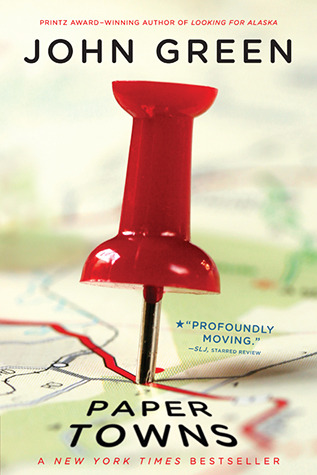
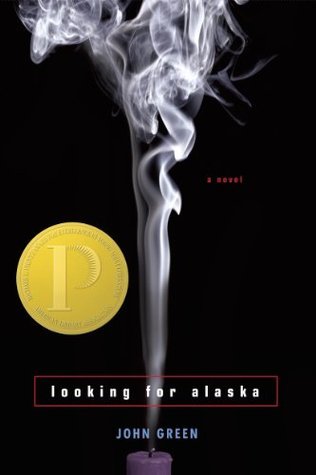
6. Looking for Alaska by: John Green
7. Fullmetal Alchemist: Volume 13 by: Hiromu Arakawa

8. Death Note: Volume 9 by: Tsugumi Ohba

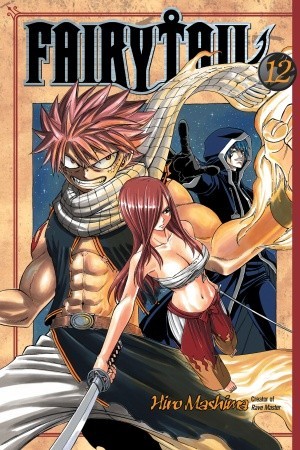
9. Fairy Tail: Volume 12 by: Hiro Mashima
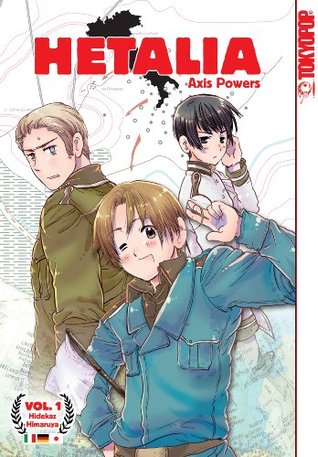
10. Hetalia: Axis Powers: Volume 1 by: Hidekaz Himaruya
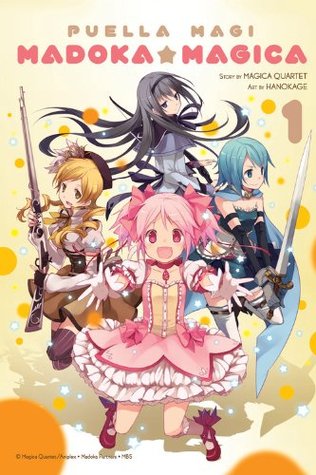
11. Puella Magi Madoka Magica: Volume 1 by: Magica Quartet
12. Soul Eater: Volume 1 by: Atsushi Ohkubo

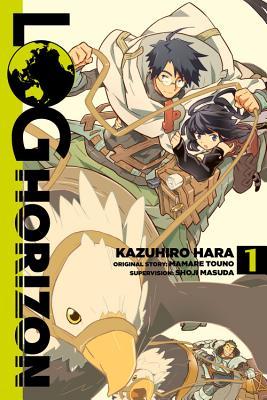
13. Log Horizon: Volume 1 by: Mamare Touno
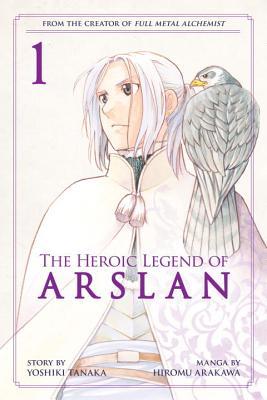
14. The Heroic Legend of Arslan: Volume 1 by: Yoshiki Tanaka
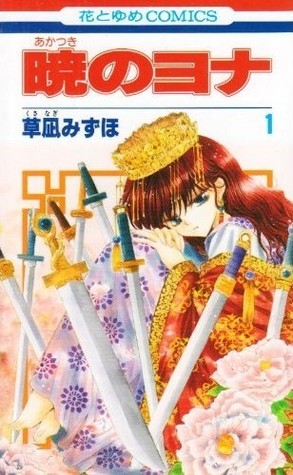
15. Yona of the Dawn: Volume 1 by: Mizuho Kusanagi
Monday, May 18, 2015
Truth in Memoir

Let's jump right in, shall we? According to the all knowing Google search bar, the definition of a memoir is as follows. "A historical account or biography written from personal knowledge or special sources." Now the question is, does a memoir have to contain 100% of the truth 100% of the time? I think it does. If you look back at the sage words of Google, you'll see that for a writing to be called a memoir, it has to be a historical account written from personal knowledge or in other words, it's a true story that happened to you. I think that in a memoir, it should be common sense that it should contain the truth.
Now you may be asking, what if they are itty-bitty tiny altercations of the details to make the story more interesting? That... is okay. I think it is fine as long as the major parts of the facts are left intact. Now, let's say an author writes a story on World War II. If he or she writes a story about a general of Japan that left the Axis powers to join the Allies and tried to sell it as a memoir, that would not fly. If he or she decided to say that Dwight D. Eisenhower had some inner turmoil and used it as a subplot in order to make the book that contains an other wise politically correct main plot more interesting, that would be fine.
Do we need to label stories with genres? I think so. Genres are a useful tools for things such as book recommendations because they help people to narrow down options and find books they'll like easier than they would if genres didn't exist. I doubt genres will be going anywhere anytime soon and thank goodness they aren't. They are very helpful to both writers and readers a like.
Friday, May 8, 2015
Adapting The Fault in Our Stars

If I was given the chance to adapt The Fault in Our Stars, these would be the three most important decisions I would need to make. First of all, I would choose to adapt it as a movie. I think it makes the most sense as a movie because there is not enough content to make it into a TV series and if it became 'The Fault in Out Stars: The Musical' that would change the tone of the story entirely. I mean come on. Can you imagine The Fault in Our Stars adapted as a musical? Well, I guess you could but it'd be cringe worthy.
Every movie has to make cuts for time constraint. If I had to cut out some content for the movie adaptation, I think one of the things I would cut is the character of Katelyn. She's not necessary to the plot and hardly shows up anyways, so I doubt many people would miss her. Katelyn is put in the story as a foil to Hazel to further her character development. She's there to show that Hazel's closest friend her age (prior to meeting the cancer kid gang) isn't really that close to her and to show how different yet similar Hazel is to most teenagers her age. This is all very important, but I think this could manage to be done in a different way throughout the movie. Also, this saves both time and money by hiring one less actor that the producer would have to pay. Actors are really expensive these days, you know.
A scene that under any circumstances cannot be cut from the plot would have to be their trip to Amsterdam. This is a major part of the story and it would change the story way too much if it was omitted. That would be too large of a cut to make because at least half of The Fault in Our Stars takes place in Amsterdam. If this was cut, some important characters would also end up being cut like Peter Van Houten and his assistant Lidewij. The whole plot about finding out how 'An Imperial Affliction' ended would probably also be cut if this happened or at least have gone no where. This would be problematic because this is about half of the entire plot of the story. So yeah, cutting Amsterdam out of the picture is a big no no.
Thursday, March 12, 2015
What is a Book?
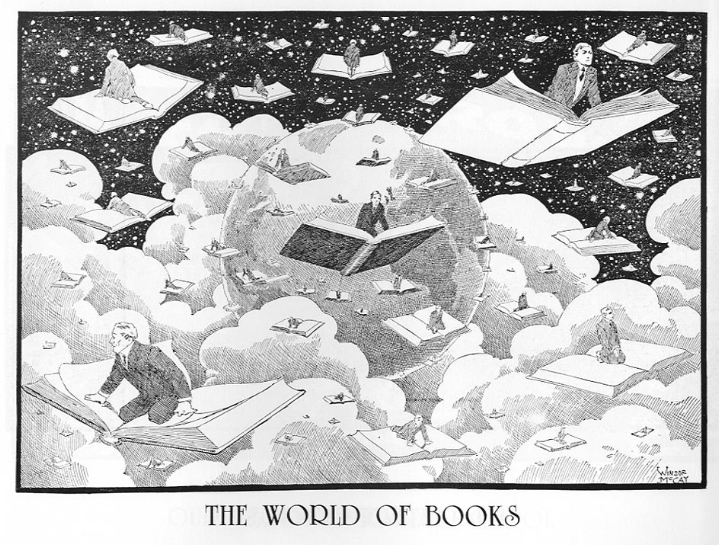
Another trait that makes a book a book is the ability to stir the imagination with the written word and sometimes even a collection of stationary pictures. A movie can't be a book because a movie takes place outside of the mind and shows the audience a pre-imagined story directly through their eyes and ears. This is not a book. A book is an object that sends a story that is fueled by the reader's imagination into their mind. This lets the reader have more freedom with the story they experience than they would with a movie.

Subscribe to:
Comments (Atom)